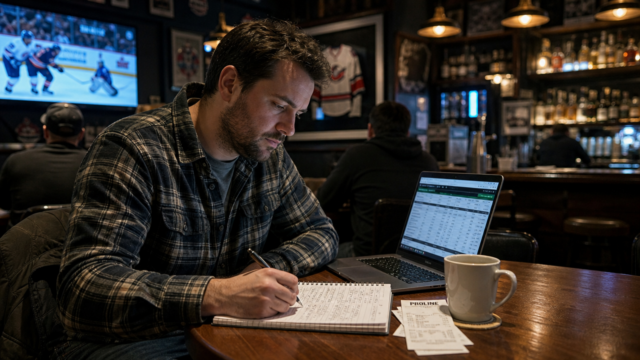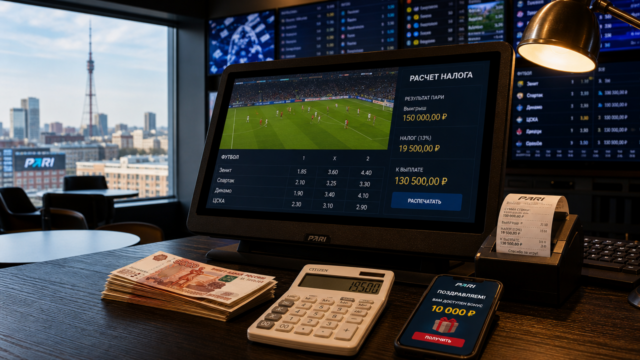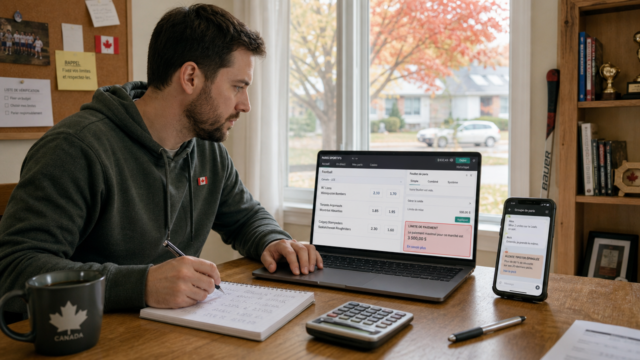
Sports betting can activate a reward process similar to the one involved in substance addiction. A win or near miss can release dopamine and create a burst of pleasure, while a loss may fuel the urge to place another wager. Clinics that treat ludomania describe a four-stage progression: euphoric subcompensation, loss of control, disappointment, and despair. After the second stage, self-control may fail, and willpower-based attempts to stop often do not work. This dopamine-driven cycle can contribute to sports betting withdrawal symptoms when betting stops.
Early Signs That Predict a Hard Withdrawal
Before withdrawal appears, several behaviors signal that a sports betting habit has moved into addiction territory. A person becomes preoccupied with events and bets to the point that work and family relationships are pushed aside. Sleep may become disrupted, irritability can increase, and the frequency of bets may rise even after major losses. Attempts to quit may fail repeatedly. The person may hide betting activity, lie about losses, and prioritize betting over financial responsibilities or relationships. These signs indicate a loss of control and the need for professional help.
Sports Betting Withdrawal Symptoms: What Happens When You Stop
When a person stops regular sports betting, uncomfortable symptoms may appear. Sports betting withdrawal symptoms can include irritability, disrupted sleep, anxiety, restlessness, aggression, and persistent thoughts about betting or sporting events. Some people may also experience physical and psychological exhaustion as they adjust to life without the betting cycle. Manipulative behavior, lying, and worsening relationships can accompany the disorder. These symptoms signal that the person needs support, especially when they occur alongside financial problems, social isolation, or an inability to control betting.
How to Stop Betting on Sports: Build Barriers Early
Stopping sports betting starts with reducing access and involving other people before motivation fades. Close or restrict betting accounts, block access to betting websites and applications, and ask your bank whether gambling-related transactions can be restricted. Remove saved payment details and avoid situations that make betting easy. The aim is to create time between an urge and the ability to place a wager.
Accountability Works Better Than Secrecy
Lying and hiding are common signs of the disorder. Tell one person you trust how much you have lost and when you last bet. Ask that person to help monitor financial activity and support your efforts to avoid betting. Professional treatment centers emphasize the value of involving family members or close friends, because secrecy can allow the problem to continue unnoticed. If you feel shame about the amount lost, start with one number and one date. Sharing that information turns a private intention to stop into a clear request for support.
How to Quit Sports Betting Forever: Treat the Emotional Driver
Sports betting may function as a way to cope with depression, loneliness, financial stress, or other problems. Common causes also include the desire for quick money, excitement, and escape from daily difficulties. If access is blocked without addressing these factors, the urge to bet may return. A mental-health professional can help identify the situations that trigger betting and develop safer responses to them. Professional support is especially important when the person cannot stop despite repeated attempts or when betting has displaced work, relationships, and basic responsibilities.
Sports Betting Addiction Treatment: What Professionals Do
Effective sports betting addiction treatment rarely relies on a single conversation. Recovery programs may combine psychological support, medication when clinically appropriate, and multi-stage rehabilitation. Advanced cases may require clinical treatment because gambling addiction can involve a loss of control comparable to other forms of addiction. Therapy can address beliefs about odds, luck, and recovering financial losses, while medical care can help manage co-occurring depression or anxiety. Ongoing support also gives people a place to discuss triggers, losses, and relapse risks without hiding them.
When to Seek Sports Betting Treatment Immediately
Professional sports betting treatment becomes especially important when three conditions are present: social disruption, loss of control over time or money, and prioritizing betting over work or family. Gambling addiction can lead to financial ruin, family breakdown, aggression, anxiety, and declining health. If you have lied about bets, taken money, or felt violent or suicidal after a loss, seek urgent professional help. Contact a gambling-addiction service or a mental-health professional who treats behavioral addictions. You do not need to wait for the problem to cause further damage before asking for help.
Relapse Prevention After Sports Betting Treatment
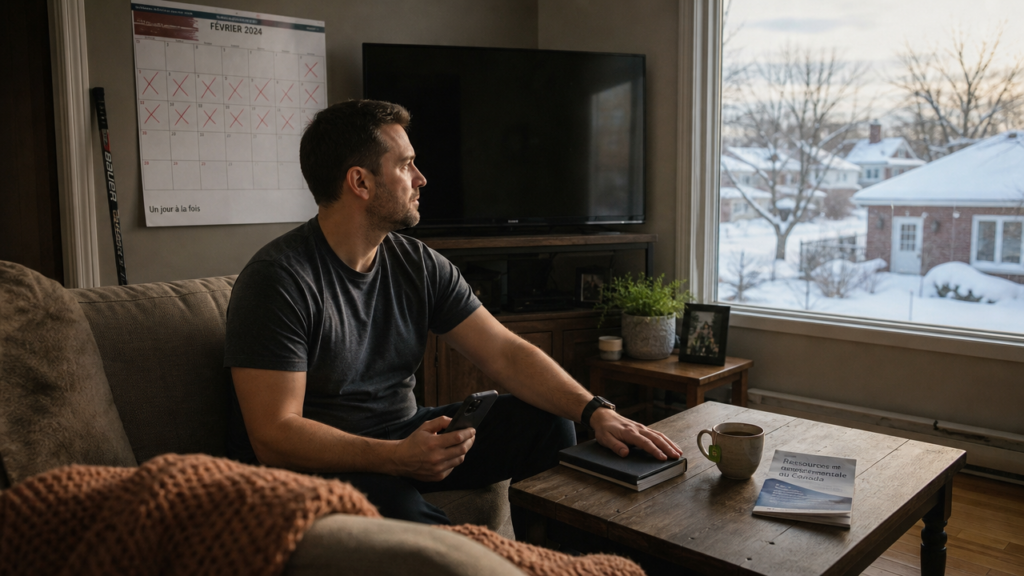
Recovery does not remove every trigger. After treatment, many people benefit from a continuing plan that includes professional follow-up, support from trusted people, restricted access to betting, and monitoring for early warning signs. Checking odds, thinking constantly about events, or considering a small bet can signal that the problem is returning. Avoid situations and content that encourage betting, and arrange regular check-ins with a mental-health professional or trusted supporter. Each barrier reduces exposure to cues associated with the betting reward cycle. Recovery is not about relying on willpower every minute. It is about building a life in which betting no longer controls time, money, or relationships.